Who this is for: Homeowners looking to reduce their monthly water expenses and conserve water through practical strategies, from simple habit changes to smart home upgrades.
TL;DR: Lower your water bill by first detecting and fixing leaks, which are often the biggest culprits. Then, invest in water-efficient appliances and fixtures, manage outdoor watering smartly, and adopt conscious daily habits. Understanding your bill and using smart technology can further maximize savings.
Many homeowners find themselves looking at a water bill that seems unexpectedly high, wondering where all the water (and money) is going. It’s easy to dismiss your water bill as a fixed cost, something you just have to pay. But unlike some other utilities, your water usage is largely within your control. With a little effort and some smart adjustments, you can significantly cut down on those charges. This guide will walk you through effective strategies, from simple, no-cost changes to more involved, but often worthwhile, investments. You might be surprised at how much water (and money) can be saved.
The Silent Killer: Finding and Fixing Leaks
This is where many households lose the most money on their water bill, and it’s often the hardest to spot. A tiny drip might seem insignificant, but those drops add up fast. This can mean hundreds, even thousands, of gallons per month. The first step to lowering your monthly water bill is becoming a leak detective.
Check Your Toilet for Leaks
This is a common culprit, and it’s incredibly easy to check. Just put a few drops of food coloring into your toilet tank. Don’t flush! Wait about 15-20 minutes. If you see any color in the toilet bowl, you’ve got a leak. Most of the time, it’s a worn-out flapper valve, which is a cheap and easy DIY fix. A replacement can be purchased at most hardware stores for under $10-15 and typically swapped out in less than half an hour. This is genuinely one of the most impactful fixes for a high water bill.
Inspect Faucets and Showerheads
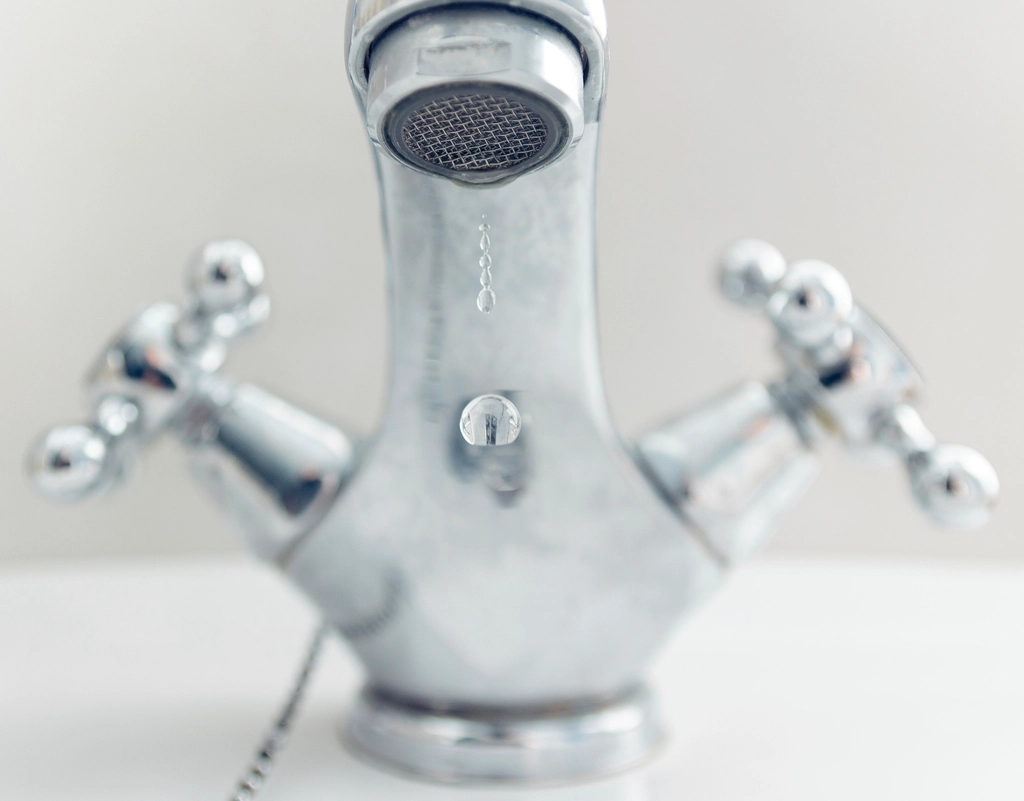
These are pretty obvious, but don’t just look for active drips. Feel around the base of your faucets for any dampness. Sometimes a seal can be failing, leading to a slow, almost invisible leak. For showerheads, check the connection point to the wall. A little Teflon tape can go a long way in sealing minor issues. Remember, even a slow drip can waste hundreds of gallons a year.
Your Outdoor Faucets and Sprinkler System
Many people forget about their outdoor spigots, especially in colder climates where they might be shut off for part of the year. Before turning them on for the season, inspect them for cracks or drips. A leaking sprinkler head or a damaged underground pipe in an irrigation system can be a massive water hog. Turn on your sprinkler system during the day and walk through each zone, looking for geysers, constant puddling, or heads that aren’t spraying correctly. A busted sprinkler head can create a significant wet area, which might go unnoticed if it’s in a less visible spot.
Read Your Water Meter
This is the ultimate leak detection tool. First, make sure no one in your house is using any water – no flushing, no washing hands, no running dishwashers. Then, go to your water meter (usually near the street or in your basement). Take a reading, noting the numbers exactly. Wait about an hour or two without using any water. Go back and read the meter again. If the numbers have changed, you have a leak somewhere. This doesn’t tell you where, but it confirms you have one, which is half the battle!
Water-Wise Appliances and Fixtures: Investing Smart
Once you’ve plugged all the leaks, the next big step is to make sure the water you are using is being used efficiently. This often means looking at your appliances and fixtures. While these might be upfront investments, they pay for themselves over time, especially when you’re trying to lower your monthly water bill as a homeowner.
Low-Flow Fixtures Are Your Friends
Modern low-flow showerheads and faucet aerators are incredibly effective without sacrificing performance. Technology has come a long way; you can get a great shower experience with a head that uses 1.5-2.0 gallons per minute (GPM) instead of older models using 2.5 GPM or more. Similarly, faucet aerators are tiny, inexpensive devices that screw onto existing faucets and mix air into the water stream, reducing flow without a noticeable difference in pressure. They’re a simple upgrade.
Upgrade Your Toilets
If you have an older toilet (pre-1994, typically), it’s probably using 3.5 to 7 gallons per flush (GPF). Newer, high-efficiency models use 1.6 GPF or even less, with some ultra-low-flush models using as little as 0.8 GPF. While replacing a toilet is a bigger investment (often $100-300+ for the unit itself, plus installation if you hire someone), the savings can be substantial, especially for a busy household. Many local water utilities offer rebates for upgrading to high-efficiency toilets, so definitely check your local programs!
Energy-Efficient Washing Machines and Dishwashers
When it’s time to replace an old appliance, look for ENERGY STAR certified models. These appliances are designed to use less water (and often less electricity, which can help cut your electric bill too). A typical ENERGY STAR washing machine uses about 13 gallons of water per load, compared to 20 gallons or more for older models. Dishwashers are similar, using significantly less water than handwashing, especially if you run full loads. The key here is to run full loads whenever possible. Avoid running a half-empty dishwasher or washing machine; wait until you have a full load to maximize efficiency.
Smart Outdoor Water Management: Don’t Drown Your Landscape
For many homeowners, outdoor watering is the biggest drain on their water supply, especially during the summer months. This area often presents significant opportunities for savings when trying to lower a monthly water bill. Lush lawns are appealing, but not at the expense of your wallet.
Water Smarter, Not Harder
- Timing is Everything: Water your lawn and garden early in the morning (before 10 AM) or late in the evening (after 6 PM). This reduces evaporation from the sun and wind, meaning more water actually gets to your plant roots. Watering in the middle of a hot day is largely inefficient.
- Deep and Infrequent: Instead of light, daily watering, aim for deeper, less frequent watering. This encourages roots to grow deeper, making plants more drought-resistant. Most lawns only need about 1 inch of water per week, including rainfall. You can check this by placing an empty tuna can in your sprinkler’s path and timing how long it takes to collect an inch of water.
- Drip Irrigation and Soaker Hoses: For gardens, flowerbeds, and even some shrubs, drip irrigation or soaker hoses are far more efficient than sprinklers. They deliver water directly to the plant roots, minimizing waste from overspray and evaporation. It’s a bit more work to set up initially, but the water savings are significant.
Rethink Your Landscape
Consider xeriscaping or incorporating drought-tolerant plants into your garden. Native plants, succulents, and certain ornamental grasses often require far less water once established. Reducing the size of your lawn, or replacing thirsty turf with mulch, rock gardens, or ground covers, can drastically cut your outdoor water use. Converting a section of a yard that receives too much sun into a rock garden with hardy native plants can be both visually appealing and water-efficient.
Rain Barrels: Free Water!
Rain barrels collect rainwater from your gutters, providing a free, chemical-free source of water for your garden, houseplants, or even washing your car. It’s an excellent way to capture a natural resource that would otherwise just run off into storm drains. Check your local regulations, as some areas have restrictions or even offer rebates for rain barrel installation. This is a genuinely smart way to lower your monthly water bill, especially if you have a thirsty garden.
Everyday Habits That Make a Difference
Beyond big fixes and upgrades, a lot of water savings come down to conscious daily habits. These are the small changes that, when practiced consistently, can really chip away at that bill.
In the Kitchen
- Don’t Thaw with Running Water: Planning ahead and thawing frozen foods in the refrigerator overnight is much more water-efficient than using running water.
- Full Loads Only: As mentioned, only run your dishwasher when it’s full. Scrape plates clean instead of rinsing them under running water before loading.
- Collect Cold Water: If you run your tap waiting for hot water, collect the cold water in a pitcher. You can use it to water plants, fill a pet bowl, or even drink it.
In the Bathroom
- Shorter Showers: This is an obvious one, but it works. Try to shave a minute or two off your shower time. Every minute under a standard showerhead uses about 2.5 gallons of water.
- Turn Off the Tap: When brushing your teeth, shaving, or washing your face, turn off the water while you’re not actively using it. It’s a habit that takes some conscious effort but becomes second nature quickly.
- Fix Dripping Faucets Immediately: Don’t put off fixing that drip!
Laundry Day
- Full Loads: Again, only run your washing machine when it’s completely full.
- Proper Water Level Settings: If your machine has different water level settings, use the appropriate one for the size of your load. Don’t automatically set it to ‘large’ if you’re only washing a few items.
Understanding Your Water Bill (and How to Dispute It)
It’s hard to make smart decisions if you don’t understand what you’re being charged for. Your water bill isn’t just about the volume of water you use; it often includes other fees that can be confusing.
Deciphering the Charges
Typically, your bill will have a few main components:
- Water Usage: This is the main charge, based on how many units of water you’ve consumed. Water is usually measured in CCF (hundred cubic feet) or gallons. One CCF equals 748 gallons.
- Sewer Service: This charge covers the cost of treating and disposing of your wastewater. Often, it’s calculated based on your water usage, assuming that most of the water you use goes down the drain.
- Fixed Fees: These are usually a flat monthly charge for meter maintenance, infrastructure, or other administrative costs, regardless of how much water you use.
- Stormwater Fees: Some municipalities charge a fee for managing stormwater runoff, especially in areas with impervious surfaces like driveways and roofs.
Take some time to read through your bill. If anything looks wildly out of place, or if you see a sudden, unexplained jump in usage, that’s your cue to investigate. This could point to a significant leak that your meter reading earlier would have confirmed.
When to Call the Water Company
If you’ve done your leak detection, adjusted your habits, and still see a bill that seems unreasonably high, it’s time to call your water utility. They can often provide historical usage data, confirm your meter readings, and sometimes even offer advice or resources for finding leaks. In some cases, if you’ve had a verifiable leak (like a burst pipe) that you’ve fixed, they might offer a one-time adjustment or credit, especially if the leak wasn’t obvious. It never hurts to ask.
Advanced Strategies and Technologies
For those who want to take their water-saving efforts a step further, there are some more advanced options and technologies worth considering. These are often bigger investments but can yield significant long-term savings and peace of mind.
Smart Water Devices
Just like smart thermostats for electricity, there are now smart water monitoring systems. Devices like Flo by Moen or Phyn Plus attach to your main water line and monitor your water usage in real-time. They can detect leaks (even tiny ones) and send alerts to your phone. Some can even automatically shut off your water supply if a major leak is detected, potentially saving you from catastrophic water damage. This is a bit of an investment, usually several hundred dollars for the device and installation, but for peace of mind and pinpointing elusive leaks, it can be invaluable.
Greywater Recycling Systems
This is a more involved undertaking, but it’s incredibly efficient. Greywater systems collect water from sources like sinks, showers, and washing machines (but NOT toilets, which is blackwater) and filter it for reuse in non-potable applications, such as irrigating a garden. This requires a separate plumbing system and often local permits, so it’s not a casual DIY project. However, if you’re building a new home or undertaking a major renovation, it’s worth exploring, especially in areas with water scarcity.
Hot Water Recirculation Pumps
Ever stand at a shower or sink, waiting for the hot water to arrive, watching perfectly good cold water go down the drain? A hot water recirculation pump solves this. It quickly circulates hot water through pipes, so it’s available almost instantly. While these primarily save water (and time) rather than heating costs (unless you get an on-demand system), they can contribute to overall water conservation, especially in larger homes with long pipe runs. There are both on-demand and continuously running systems; the on-demand ones are generally more water and energy efficient.
Comparing Water-Saving Efforts: Impact vs. Cost
When you’re looking to lower your monthly water bill, it helps to understand where you’ll get the most impact for your investment. Here’s a quick breakdown of common strategies:
| Strategy | Initial Cost | Potential Savings | Effort Level |
|---|---|---|---|
| Fixing a leaking toilet flapper | $10-$15 | High (50-200+ gal/day) | Low (DIY) |
| Installing low-flow showerheads/aerators | $20-$60 per fixture | Medium (5-15 gal/shower/use) | Low (DIY) |
| Daily habit changes (shorter showers, turning off tap) | $0 | Medium (varies greatly by habit) | Low (conscious effort) |
| Replacing old toilets with high-efficiency models | $100-$300+ per toilet | High (10-20+ gal/person/day) | Medium (DIY or pro install) |
| Using drip irrigation/soaker hoses | $50-$200+ (system dependent) | High (significant outdoor water reduction) | Medium (setup time) |
| Installing rain barrels | $70-$150 per barrel | Medium (free water for landscaping) | Low (DIY) |
| Upgrading to ENERGY STAR washer/dishwasher | $500-$1500+ per appliance | Medium-High (5-10 gal/load) | High (major purchase) |
| Smart home water monitoring system | $300-$700+ (device + install) | High (leak detection, prevention) | Medium (setup, app use) |
Frequently Asked Questions
How much water does a typical US household use per month?
The average American household uses about 3,000 gallons of water per month, per person, which translates to roughly 100 gallons per person per day. However, this number can vary widely based on household size, geographic location, and most significantly, outdoor watering habits. Some homes can easily hit 10,000-12,000 gallons a month or more during summer.
What’s the best way to detect a hidden water leak?
The best method is to use your water meter. Turn off all water usage in your home, then check your water meter. Note the reading. Wait for a few hours without using any water, then check the meter again. If the numbers have changed, you definitely have a leak. To pinpoint it, you’ll need to systematically check toilets, faucets, and outdoor irrigation.
Are water-saving appliances really worth the upfront cost?
Yes, they absolutely are, especially for items like high-efficiency toilets and washing machines. While the initial investment can seem steep, the long-term savings on your water bill (and often energy bill) can add up significantly over the lifespan of the appliance. Many local utilities also offer rebates for upgrading, which can help offset the cost. Plus, they contribute to overall environmental conservation.
Can I get a credit from my water company for a leak?
It depends on your water utility’s policies, but it’s often possible. Many companies offer a one-time adjustment or credit if you’ve experienced a significant, non-obvious leak (like a burst pipe in a wall) that you’ve since repaired. You’ll typically need to provide proof of repair (like a plumber’s invoice). It’s always worth calling your utility to inquire, even for a smaller leak, as their customer service might surprise you.
How much can I realistically save on my water bill?
Savings vary widely, but it’s not uncommon for homeowners to reduce their water bill by 20-50% by implementing a combination of these strategies. Fixing a major leak alone can cut hundreds of dollars from an annual bill. Changing habits and upgrading to efficient fixtures can further reduce it.
Is it better to hand wash dishes or use a dishwasher to save water?
Modern ENERGY STAR dishwashers are almost always more water-efficient than handwashing, especially if you run them only when full. They use precise amounts of water for each cycle, typically around 3-5 gallons, whereas handwashing often uses significantly more, particularly if the water runs while scrubbing. The key is to scrape food off plates instead of pre-rinsing them.
Taking control of your water usage is more than just saving money; it’s about being a more mindful homeowner and a better steward of resources. Start with the easy wins – finding and fixing those sneaky leaks – and then gradually work your way up to more significant upgrades and habit changes. These efforts can lead to a noticeably lighter water bill each month and contribute to long-term savings.
Leave a Reply